Service
Skylight Installation & Repair in Cleveland & Northeast Ohio
Most skylight leaks are a flashing problem, not a skylight problem — we diagnose accordingly.
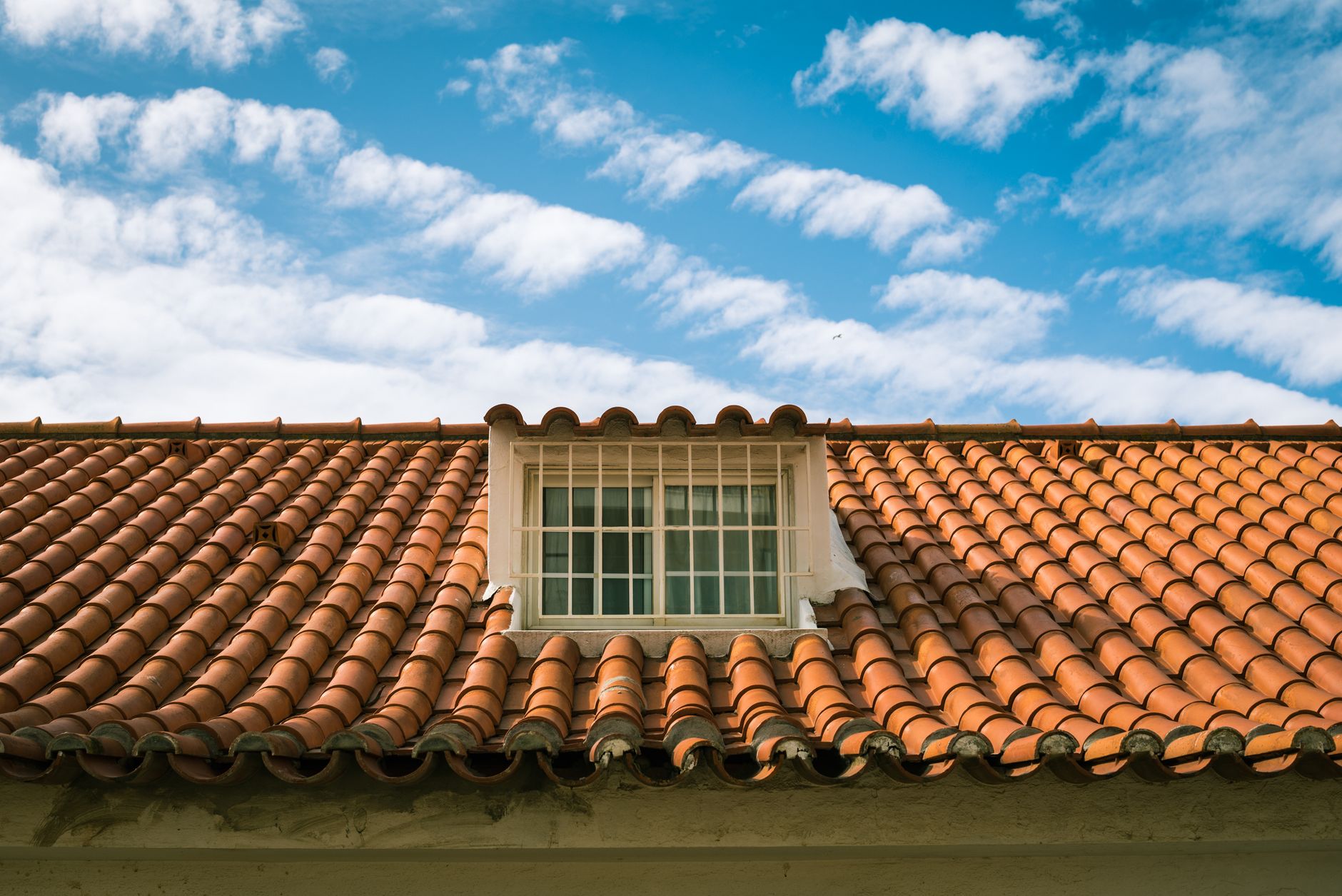
Skylights bring in natural light homeowners genuinely love, and they’re also one of the more common leak sources we get called out for — not usually because the glass unit fails, but because the flashing and curb detail around it takes a beating from freeze-thaw cycling that a flat section of shingle roof never has to deal with.
Diagnosing a Skylight Leak Correctly
When water shows up around a skylight, the instinct is to blame the unit itself. Far more often, the actual failure is in the step flashing along the sides, the head flashing above, or the seal where the skylight curb meets the roof deck. We check all three before assuming a glass unit or seal failure, because replacing an entire skylight to fix a flashing problem is an expensive mistake we’re not going to make on your roof.
Installation Done Right the First Time
A new skylight is only as good as its integration into the surrounding roofing system. That means proper step flashing woven correctly with the shingle courses, adequate curb height and sealing, and — for larger openings — confirming the framing underneath can handle the load. We install skylights as part of the roofing system, not as an add-on bolted through it.
Vented, Fixed, and Tubular Options
Fixed skylights maximize light with no moving parts to maintain. Vented skylights add ventilation, useful in kitchens and bathrooms, but bring an additional operable seal that needs correct installation and occasional maintenance. Tubular skylights are a good option for smaller spaces like closets or hallways where a full skylight well isn’t practical. We’ll help you pick based on the room and your goals, not just push the highest-margin option.
Skylights and Roof Replacement Timing
If you’re planning a roof replacement and have an existing skylight, it’s worth evaluating together. Re-flashing an old skylight while the surrounding shingles are already being replaced is significantly more cost-effective than treating it as a separate project later, and if the unit itself shows condensation or seal wear, replacing it at the same time saves a second labor cost down the road.
Placement and Framing Considerations
Where a skylight goes matters as much as which model you choose. A unit sized to fit between existing rafters avoids cutting into the roof’s structure, which keeps installation simpler and less expensive. A larger skylight or one placed where it crosses a rafter requires proper header framing to redirect structural load around the opening — skipping this step, which we’ve seen on some older DIY or budget installations, can lead to sagging or stress cracks in the surrounding roof deck over time. We evaluate the attic framing before quoting placement, not just the ceiling opening from inside the room.
Condensation: A Bigger Factor Here Than in Drier Climates
Cleveland’s seasonal humidity swings — muggy summers into cold, dry winters — make condensation a real consideration for skylight selection in a way it isn’t in more climate-stable regions. A cold glass surface meeting warm, humid interior air condenses just like a cold window, and a poorly insulated or single-pane unit will show this more visibly and more often. Double- or triple-pane insulated glass units with a well-sealed frame cut this down substantially. If you’re seeing condensation between the panes themselves rather than on the interior surface, that’s a sign the seal has failed and the unit needs replacing, not just a humidity problem to manage.
Skylight Wells and Interior Finish Work
A skylight installation isn’t finished at the roofline — the light well connecting the roof opening to the ceiling below affects both how much light actually reaches the room and how the finished look integrates with the interior. Straight wells are simpler and cost less; angled or splayed wells spread light more evenly into the room but require more finish carpentry. We coordinate the roofing side of the installation with whatever interior finish approach you’re planning, so the two don’t end up mismatched.
When a Skylight Repair Isn’t Worth It
An older skylight with a failed seal, persistent leaking despite flashing repair, or visible frame deterioration is sometimes past the point where repair makes sense. If the unit is original to a roof that’s also nearing replacement, or if repair costs are approaching a meaningful fraction of new unit cost, we’ll say so directly rather than keep patching a skylight that’s genuinely at the end of its service life.
What's Included
- New skylight installation integrated properly into the roofing system, not bolted on after
- Leak diagnosis that checks flashing and curb detail before assuming the glass unit has failed
- Energy-efficient, condensation-resistant skylight models suited to Ohio's humidity swings
- Flat-glass, vented, and tubular skylight options
- Re-flashing service for existing skylights during a roof replacement
Frequently Asked Questions
Is a leaking skylight usually the skylight itself or something else?
Should I replace my skylight when I replace my roof?
Do skylights cause more problems in Cleveland's climate than in other regions?
Can you install a new skylight without a full roof replacement?
What size and placement makes sense for a new skylight?
Why does my skylight fog up or show condensation on the inside?
Related Services
More on Skylight Services
Guides and cost breakdowns related to this service.
Ready for a Roof That Lasts Through Cleveland Winters?
Get a free, no-pressure inspection and written estimate from a local crew.