Service
Gutter Installation & Guards in Cleveland & Northeast Ohio
Gutters sized and sloped correctly for Cleveland's rain and snowmelt volume, not a one-size-fits-all install.
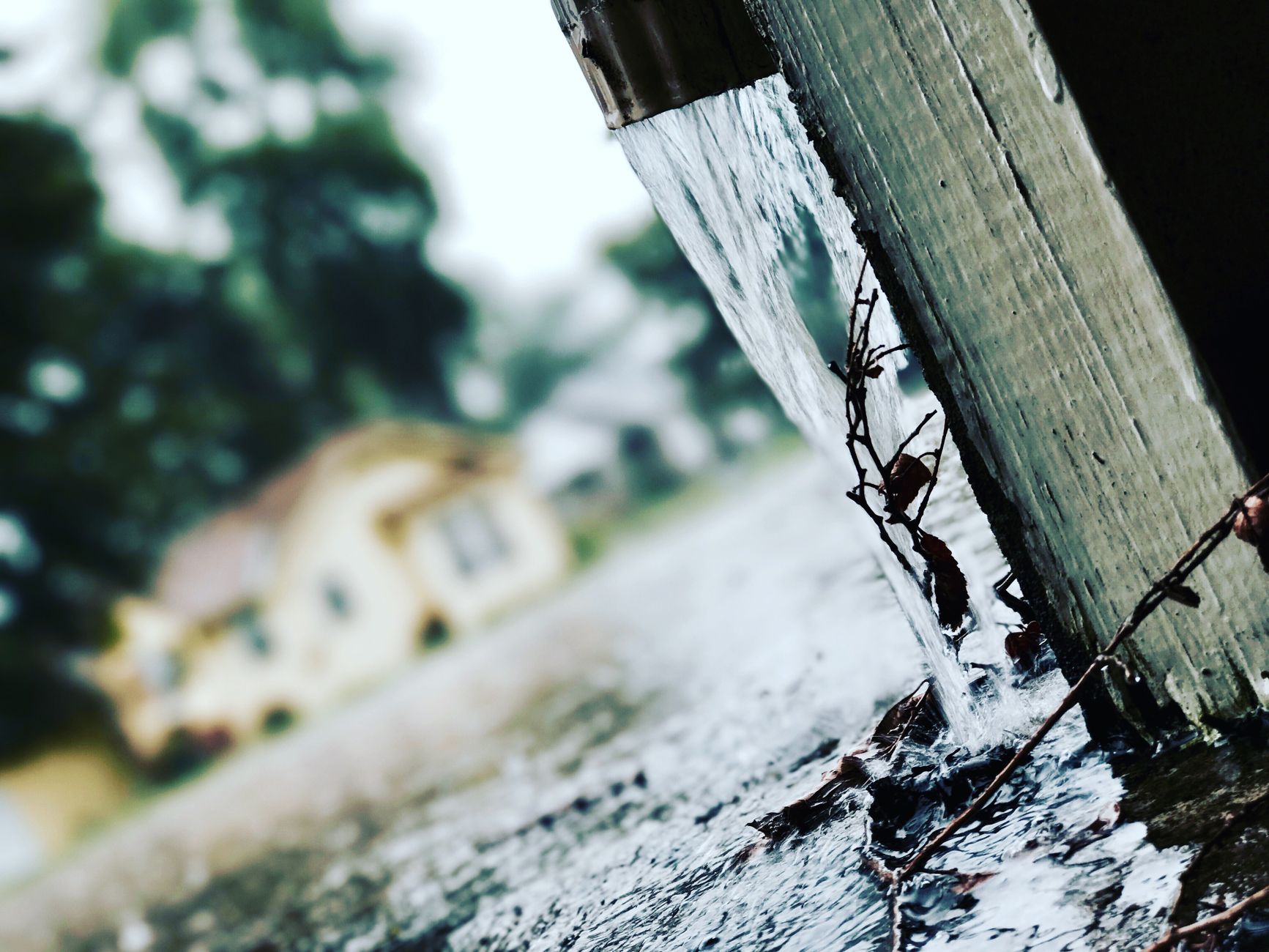
Gutters do more work in Cleveland than in most climates — heavy spring snowmelt runoff, sudden downpours off Lake Erie weather systems, and leaf load from the mature tree canopy common across the eastern suburbs all add up. We size and slope every gutter system for actual local runoff volume, not a generic national spec.
Seamless Aluminum, Formed On-Site
We form gutter material on-site to your home’s exact roofline length, eliminating the seams that are the most common failure point in sectional gutters. Downspouts are placed based on your yard’s actual drainage pattern, aimed at keeping water away from your foundation rather than just off the roof.
Gutter Guards for Heavy Tree Cover
For homes under mature oak, maple, and sycamore canopy — common throughout the inner-ring suburbs — we offer gutter guard systems that cut down dramatically on debris buildup and the twice-yearly cleaning routine most homeowners otherwise need.
What Actually Drives Gutter Installation Cost
Linear footage is the starting point, but it isn’t the whole story. Fascia condition matters more than most homeowners expect — hanging new gutters on soft or rotted fascia just guarantees an early repeat failure, so we check and, if needed, price fascia repair as part of the same estimate rather than as a surprise later. Downspout count and length add up quickly on homes with complex rooflines or multiple stories, since more roof planes usually mean more discharge points needed to keep water volume manageable at any single downspout. Corner and outlet complexity on a home with dormers, bay windows, or multiple roof intersections takes more fabrication time than a simple rectangular ranch. And 6-inch gutter systems, which we recommend for larger roof areas or homes with a history of overflow, cost more in material than standard 5-inch K-style but move meaningfully more water per minute during a heavy downpour.
Sizing for Cleveland’s Rain Volume, Not a National Average
A gutter sized correctly for a moderate-rainfall climate can still overflow here, because Northeast Ohio’s rain doesn’t arrive evenly — it comes in short, intense bursts off Lake Erie weather systems, plus the sudden volume of a fast spring snowmelt running off a full roof at once. We size gutters and downspouts against your roof’s actual square footage and pitch, not a one-size default, and we lean toward 6-inch systems on larger or steeper roofs specifically because undersized gutters overflow at the exact moments — heavy downpour, rapid thaw — when they matter most.
Fastening for Freeze-Thaw and Snow Load
Older gutter systems were often hung with spike-and-ferrule fasteners driven straight through the gutter into the fascia — a method that loosens over years of thermal expansion and contraction, and that can’t reliably support the added weight of ice and wet snow sitting in the gutter through a Cleveland winter. We hang gutters with hidden hanger brackets spaced tighter than the older standard, specifically to handle that seasonal load without sagging or pulling free.
Downspout Placement and Foundation Drainage
Where downspouts discharge matters as much as how many there are. A downspout dumping water directly against a foundation wall contributes to basement moisture and, over repeated freeze-thaw cycles, can worsen foundation cracking. We route downspouts toward existing grade slope or extensions that carry water well clear of the foundation, and we’ll flag a drainage problem — a downspout emptying toward a neighbor’s yard, or into a low spot that doesn’t drain — before it becomes your problem instead of ours.
Aluminum vs. Copper vs. Steel
Seamless aluminum is what we install on the large majority of homes — it doesn’t rust, holds paint well, and is light enough to hang without overloading fascia. Copper gutters develop a natural patina over years and are a common choice on higher-end colonials and historic homes in neighborhoods like Shaker Heights, where the aesthetic and longevity justify the added cost. Galvanized steel is more dent-resistant than aluminum, which can matter on a home with heavy ice fall from a steep upper roof onto a lower gutter run, but it’s heavier and will eventually rust at scratches or cut edges if the coating is compromised. We’ll talk through which material actually fits your home’s roofline and budget rather than defaulting to whichever is easiest for us to source.
What's Included
- Seamless aluminum gutters formed on-site to your home's exact dimensions
- Downspout placement planned around your yard's drainage, not just the roofline
- Gutter guard options to reduce leaf and debris clogging from mature tree cover
- Proper slope calculated for heavy spring snowmelt and downpour volume
Frequently Asked Questions
Do I need gutter guards in a wooded neighborhood?
Can new gutters help with ice dam problems?
How long does gutter installation take?
What size gutters does my home actually need?
Why did my old gutters pull away from the house?
Related Services
More on Gutter Installation
Guides and cost breakdowns related to this service.
Ready for a Roof That Lasts Through Cleveland Winters?
Get a free, no-pressure inspection and written estimate from a local crew.