
Skylight Leaks: Common Causes and How They're Fixed
Published · Related to Skylight Services
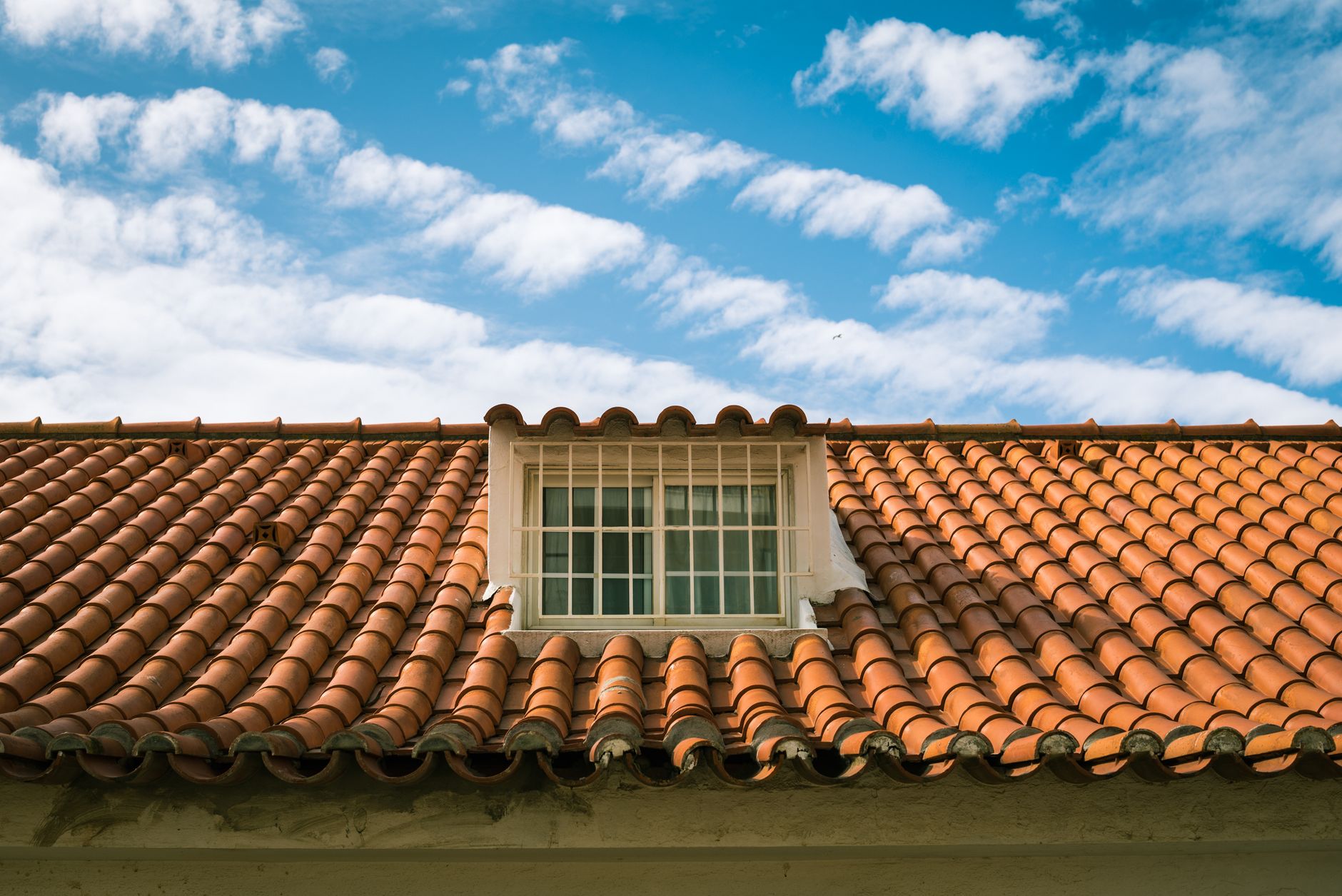
Skylight leaks generate a specific kind of homeowner frustration — the natural light is genuinely nice, but the leak feels like it undermines the whole feature. Understanding what actually causes most skylight leaks helps clarify that the fix is usually simpler, and cheaper, than replacing the entire unit.
The Flashing Is Usually the Real Culprit
A skylight is a significant penetration through the roof surface, and like any penetration, it needs its own dedicated flashing system integrated with the surrounding shingles. Step flashing runs along the sides, head flashing sits above, and a proper seal exists where the skylight’s curb meets the roof deck. When any of these fail — which happens more often than the glass unit itself failing — water finds its way in around the skylight, creating a leak that looks like it’s coming from the skylight but actually originates in the surrounding roofing detail.
Why Skylight Flashing Fails More Than Open Shingle Areas
The same principle that makes chimney and valley flashing more leak-prone than the open shingle field applies to skylights: concentrated water flow and repeated thermal expansion and contraction at the transition point gradually work fasteners and seals loose faster than a flat, uninterrupted roof surface experiences. Over years of Northeast Ohio’s freeze-thaw cycling, that stress accumulates.
Condensation: The Look-Alike Problem
Not every drip near a skylight is actually a leak. Condensation forming on the interior glass surface — common during humid weather or significant indoor-outdoor temperature swings — can drip down and pool in a way that looks identical to water intrusion from outside. Distinguishing between the two matters for the fix: a condensation issue points toward ventilation or the skylight’s insulating glass performance, while an actual leak points toward flashing or seal failure.
Age-Related Factors
Older skylights, especially those installed more than 15-20 years ago, are more prone to both leaking and condensation issues. Original seals and flashing have simply had more time to degrade, and older glazing technology doesn’t insulate as effectively against condensation as more current designs. If you have an older skylight with recurring issues, it’s worth evaluating whether continued repair or a full unit replacement makes more sense long-term.
How We Diagnose the Actual Cause
Diagnosis starts by distinguishing leak location and pattern — does moisture appear only during rain, or also during humid but dry conditions (suggesting condensation)? Is it concentrated at one side (suggesting a specific flashing failure point) or general around the whole unit? We check flashing, curb seal, and glazing condition directly rather than assuming based on the symptom alone.
Fixing It Right
Where flashing is the cause, proper repair means correctly reinstalling step and head flashing and the curb seal, not just adding caulk over the symptom. Where condensation is the issue, addressing ventilation or, in some cases, upgrading to a better-insulating skylight unit is the more lasting fix. And if you’re planning a roof replacement anyway, re-flashing or replacing an aging skylight at the same time avoids paying for that labor twice down the road.
Frequently Asked Questions
Is a leaking skylight usually a sign the whole unit needs replacing?
Why do skylights seem more prone to leaking than the rest of the roof?
Can condensation be mistaken for a skylight leak?
Does the age of a skylight affect how likely it is to leak?
Should a skylight be replaced when the surrounding roof is replaced?
Related Services
Related Reading
Ready for a Roof That Lasts Through Cleveland Winters?
Get a free, no-pressure inspection and written estimate from a local crew.