Service
Emergency Roof Tarping in Cleveland & Northeast Ohio
A properly installed tarp buys you time to make the right decision, not a rushed one.
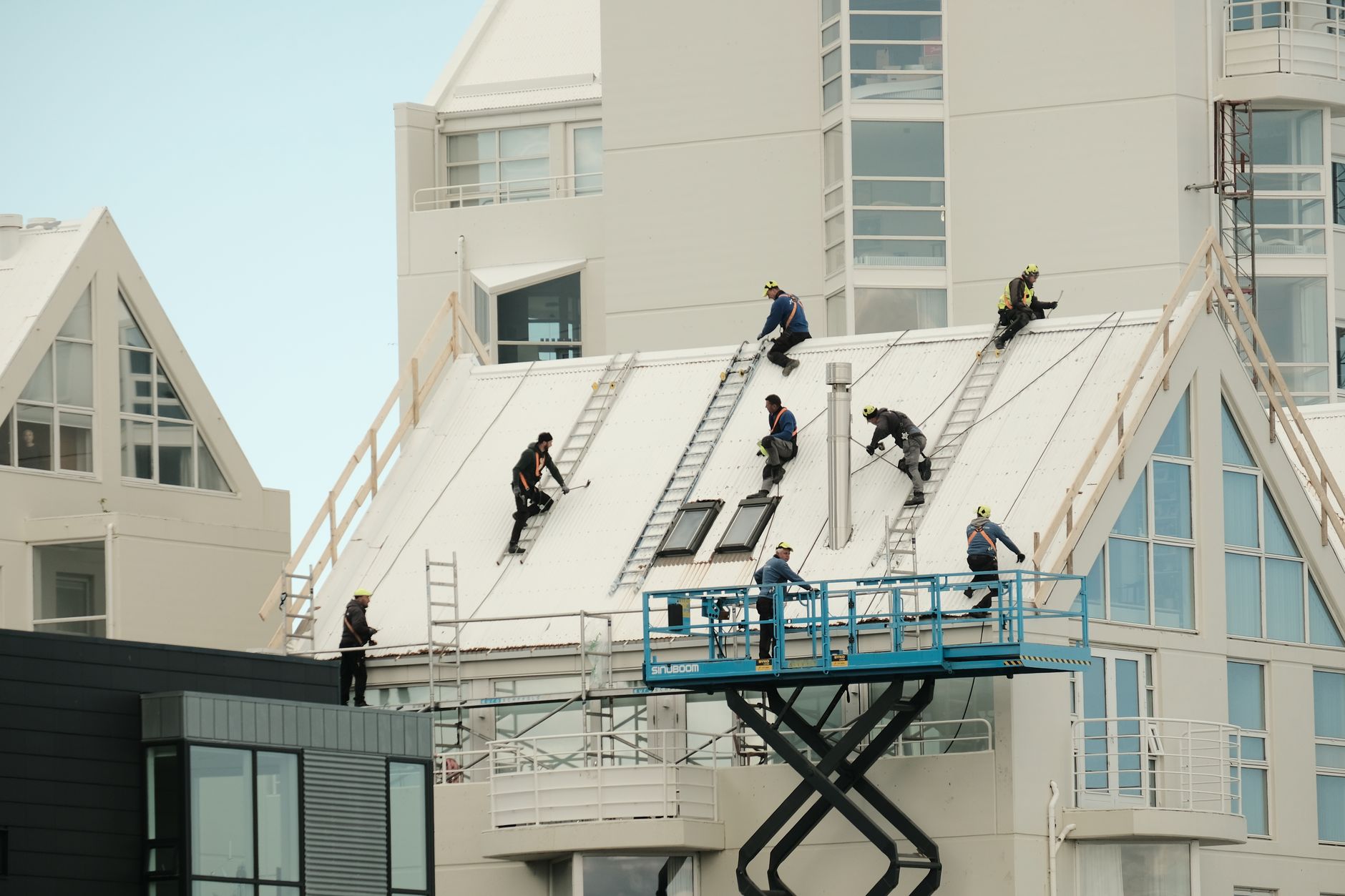
When a roof is actively letting water into the structure — a limb punched through the deck, a section of shingles torn off in a wind event, a sudden flashing failure during a storm — the first job isn’t a permanent repair, it’s stopping the bleeding. Emergency tarping done correctly buys you the time to plan the real fix without rushing it in bad weather or under pressure.
What “Done Correctly” Actually Means
A lot of emergency tarping fails within days because it’s done wrong — a tarp draped over the damage and weighted down with bricks or cinder blocks, or nailed directly through the material, both of which tear loose in the next wind event and sometimes cause more damage than the original problem. We secure tarps under wood battens fastened into the structure itself, sealed at penetrations and edges, so the tarp actually holds through subsequent weather rather than needing to be redone after the first strong gust.
Safety on a Compromised Roof
Storm-damaged roofs are often wet, unstable, or missing sections of decking, which makes them genuinely more dangerous to work on than a routine roof. Our crews use proper fall protection and assess structural stability before stepping onto a damaged section, rather than rushing the job in a way that risks injury.
Documenting Before We Cover It
Once a tarp goes up, the damage underneath is no longer visible for an adjuster or for our own permanent-repair planning. We photograph everything before placing the tarp, giving you a clear record for insurance purposes and giving our crew an accurate reference for the repair scope that follows.
A Tarp Is Not the End of the Job
Tarping stops active water intrusion; it doesn’t restore the roof. Every emergency tarp job comes with a follow-up conversation about the permanent repair or replacement timeline, so you’re not left wondering how long the tarp is supposed to stay up or what happens next.
When a Tarp Is the Right Call vs. a Targeted Patch
Not every emergency situation needs a full tarp. A large area of missing shingles or an actual hole through the deck — from a fallen limb or a wind-torn section — needs the broad coverage a tarp provides. A smaller, more contained failure, like a single displaced flashing detail or a localized seal failure, is sometimes better addressed with a targeted temporary patch rather than tarping a much larger area than the actual damage requires. We assess which approach actually fits the damage in front of us rather than defaulting to whichever is faster to install.
What Drives Emergency Tarping Cost
Size of the damaged area is the biggest factor, but roof pitch and access matter almost as much — a steep, multi-story roof takes longer to safely rig and tarp than a low-pitch ranch, regardless of the damaged square footage. Timing plays a role too: an after-hours or storm-adjacent call generally costs more than a daytime response during normal business conditions, simply because of crew availability and the added safety precautions an active-weather tarp job requires. We give you a clear number before work starts, even under emergency circumstances, rather than an open-ended verbal estimate.
Common Causes We Respond To
Tree limb strikes during summer storms are among our most frequent emergency tarp calls, often leaving a punctured deck that needs both a tarp and, later, structural sheathing repair. Wind events that peel back a section of shingles or an entire ridge cap are the next most common, particularly in exposed suburbs along the lake. Winter ice dam failures round out the pattern — a backed-up ridge of meltwater that finally forces its way under the roofing during a thaw, sometimes requiring a targeted tarp at the eave rather than the whole roof.
Coordinating Tarping With Your Permanent Repair Plan
The crew that tarps your roof is often the same crew — or works from the same photo documentation and notes — that scopes the permanent fix, which avoids the disconnect that happens when an emergency tarping company and a separate repair contractor never actually compare notes. We treat the tarping visit as the first step of the repair process, not a separate transaction, so nothing about the original damage gets lost between the emergency response and the permanent solution.
What's Included
- Same-day tarping available for active leaks in most of our service area
- Battened and sealed installation, not a loose tarp weighted down and prone to wind failure
- Safe on steep or storm-slick roofs using proper fall protection
- Photo documentation of the damage before covering it, for insurance purposes
- Clear follow-up plan for the permanent repair, so a tarp doesn't become a long-term fix by default
Frequently Asked Questions
How long can a roof safely stay under an emergency tarp?
Will a cheap tarp job just blow off in the next storm?
Do you tarp roofs at night or during an ongoing storm?
Does tarping count as documentation for my insurance claim?
What's the difference between a tarp and a temporary patch or dry-in?
How much does emergency tarping typically cost?
Related Services
More on Emergency Roof Tarping
Guides and cost breakdowns related to this service.
Ready for a Roof That Lasts Through Cleveland Winters?
Get a free, no-pressure inspection and written estimate from a local crew.