Cuyahoga County
Roofing Services in Highland Heights, OH
Highland Heights grew mainly through 1960s-1980s subdivision development on larger, wooded lots, giving the city a quieter, more suburban feel than its denser inner-ring neighbors.
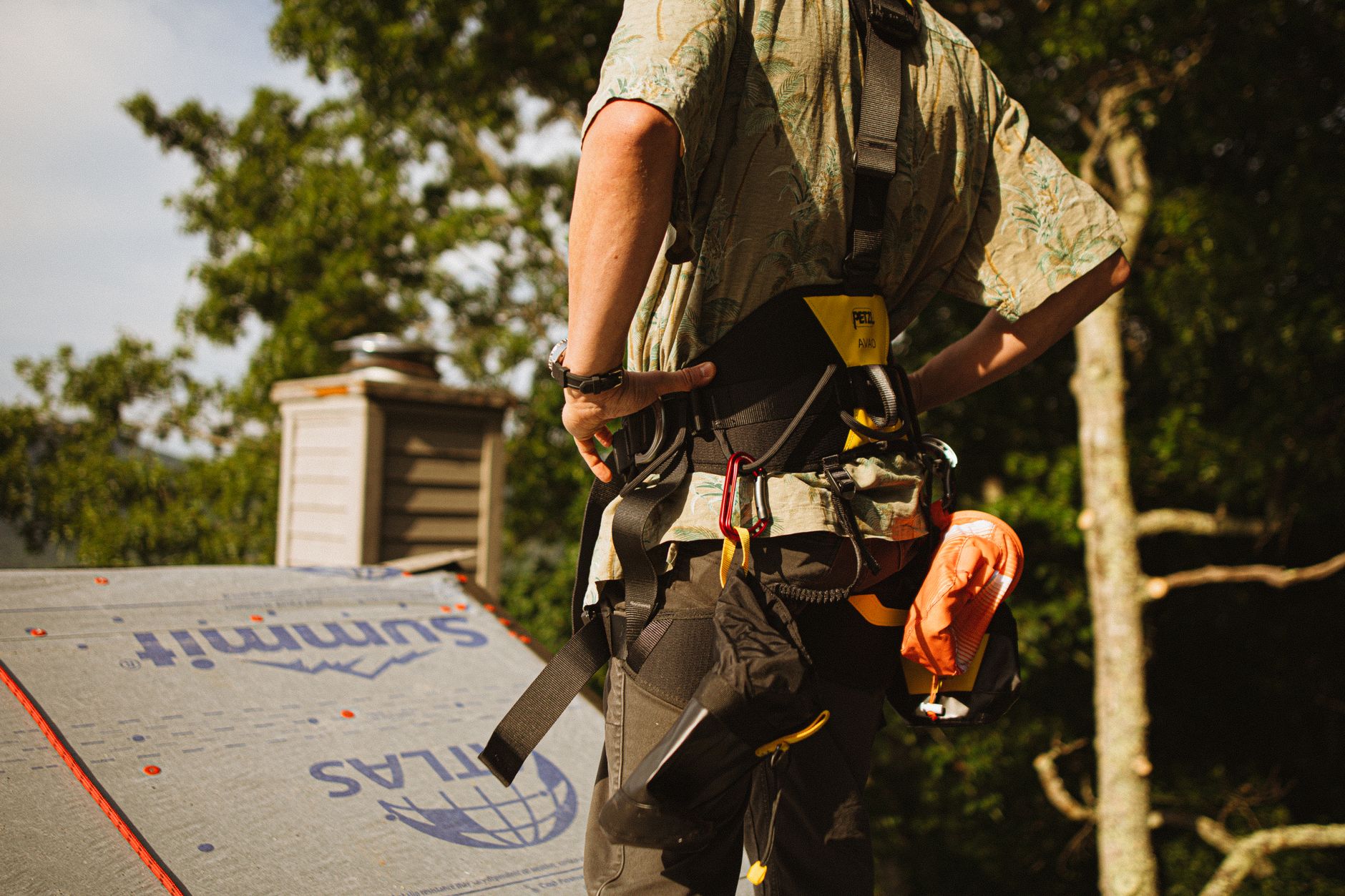
Highland Heights’ larger, wooded lots give the city a different character than its denser inner-ring neighbors, but the same climate fundamentals apply to every roof here — freeze-thaw cycling, lake-effect snow, and ice dam risk at the eaves. The mature tree canopy adds its own wrinkle: consistent leaf debris that can clog gutters and compound eave-area ice buildup if it isn’t managed, which is why gutter condition gets particular attention on every Highland Heights inspection.
Larger Lots, Split-Levels, and More Roofline Complexity
Highland Heights’ 1960s-80s colonials and split-levels sit on some of the more generous lots in our eastern service area, and split-level construction specifically brings more roof-to-wall transitions than a comparable single-story ranch. Each of those transitions is a flashing seam that has to be detailed correctly, and it’s where we most often find leaks starting on split-level homes that haven’t had a full tear-off in a while. Newer construction near the city’s eastern edge tends toward simpler, more modern rooflines, but we still evaluate every roof on its own geometry.
Inland Tree Cover, Not Lakefront Wind
Highland Heights is well inland from Lake Erie, so direct wind exposure isn’t a major factor in roofing decisions here the way it is in our lakefront communities. What matters more is the mature tree canopy common on the city’s larger lots — shaded roof sections stay colder and hold snow longer after a storm, extending the freeze-thaw window in a way that has nothing to do with wind and everything to do with how much sun a given roof section actually gets.
Permits and Tree Considerations in Highland Heights
The City of Highland Heights requires a permit for roof replacement, processed through the city’s building department. On wooded lots, we also assess equipment access during the initial inspection, since mature trees can occasionally require coordination on staging or trimming before a tear-off can proceed safely.
Storm Damage and Insurance Claims in Highland Heights
Falling limbs and wind-driven branch debris are a more common cause of roof damage here than in more open suburbs, on top of standard wind and hail exposure. We provide 24/7 emergency tarping when storm or tree damage occurs, followed by thorough photo documentation and an itemized scope for your insurance claim.
Material Choices for Highland Heights’ Wooded Lots
Algae-resistant architectural asphalt shingles are worth the modest upgrade on most Highland Heights homes, since persistent shade promotes the algae streaking common on roofs under heavy tree cover. For split-level homes specifically, we pay extra attention to step flashing at roof-to-wall transitions, since that’s the detail most likely to fail first if not installed correctly.
Seasonal Maintenance for Highland Heights Homeowners
Gutter guards are a particularly worthwhile investment here given the volume of leaf and seed debris mature trees produce each fall. We also recommend a valley and flashing check after any significant windstorm, since falling branches are a more likely cause of localized damage in Highland Heights than in less wooded suburbs.
Roofing That Understands Highland Heights’ Trees and Rooflines
From the Bishop Rd area to newer homes near the city’s eastern edge, Highland Heights’ wooded, split-level-heavy housing stock calls for careful flashing work and tree-aware maintenance planning. That’s exactly what we bring to every Highland Heights roof.
Roofing Services in Highland Heights
Roof Replacement
Full tear-off replacement for Highland Heights' 1960s-80s colonials and split-levels.
Roof Repair
Repair for storm and tree-limb damage common under Highland Heights' mature tree canopy.
Gutter Installation
Gutter systems built for Highland Heights' heavier seasonal leaf debris.
Gutter Guards
Gutter guards to reduce clogging from Highland Heights' mature tree cover.
Local Housing & Climate Considerations
Housing Stock
Highland Heights is largely built out with 1960s-1980s colonials and split-levels on generously sized, often wooded lots, plus newer construction near the eastern edge of the city. Split-level homes in particular add more roof-to-wall transitions than a single-story ranch, which means more flashing seams to maintain over the life of the roof.
Climate & Weather
Highland Heights' heavier tree cover brings its own seasonal factor alongside the standard lake-effect snow and freeze-thaw cycle — overhanging branches and consistent leaf debris add gutter-clogging risk that compounds ice dam formation if left unaddressed. Being well inland, the city sees little direct lake wind, so shade-driven melt delay and debris management matter more here than wind rating.
Service Area Coverage
Core Service Areas
Also Serving
- Pepper Pike
- University Heights
- Cleveland Heights
- South Euclid
- Lyndhurst
- Mayfield Heights
- Highland Heights
- Richmond Heights
- Garfield Heights
- Maple Heights
- Bedford
- Bedford Heights
- Parma Heights
- Rocky River
- North Olmsted
- Independence
- Twinsburg
- Mentor
- Euclid
- Brooklyn
- Brook Park
- Middleburg Heights
- North Royalton
- Seven Hills
- Brecksville
- Bay Village
- Avon
- Avon Lake
- Willoughby
- Eastlake
Frequently Asked Questions
Does Highland Heights' tree cover create extra roofing considerations?
Are Highland Heights' larger lots more expensive to work on?
What roofing issues are most common in Highland Heights' 1960s-80s housing stock?
Do you offer storm damage response in Highland Heights?
Do split-level homes in Highland Heights leak more often than ranches?
Does mature tree shade affect ice dam risk in Highland Heights?
Nearby Service Areas
Ready to Get Started in Highland Heights?
Schedule a free, no-pressure inspection with a local crew.