How to Choose a Contractor for Storm Damage Repair
Published · Related to Storm Damage Roofing
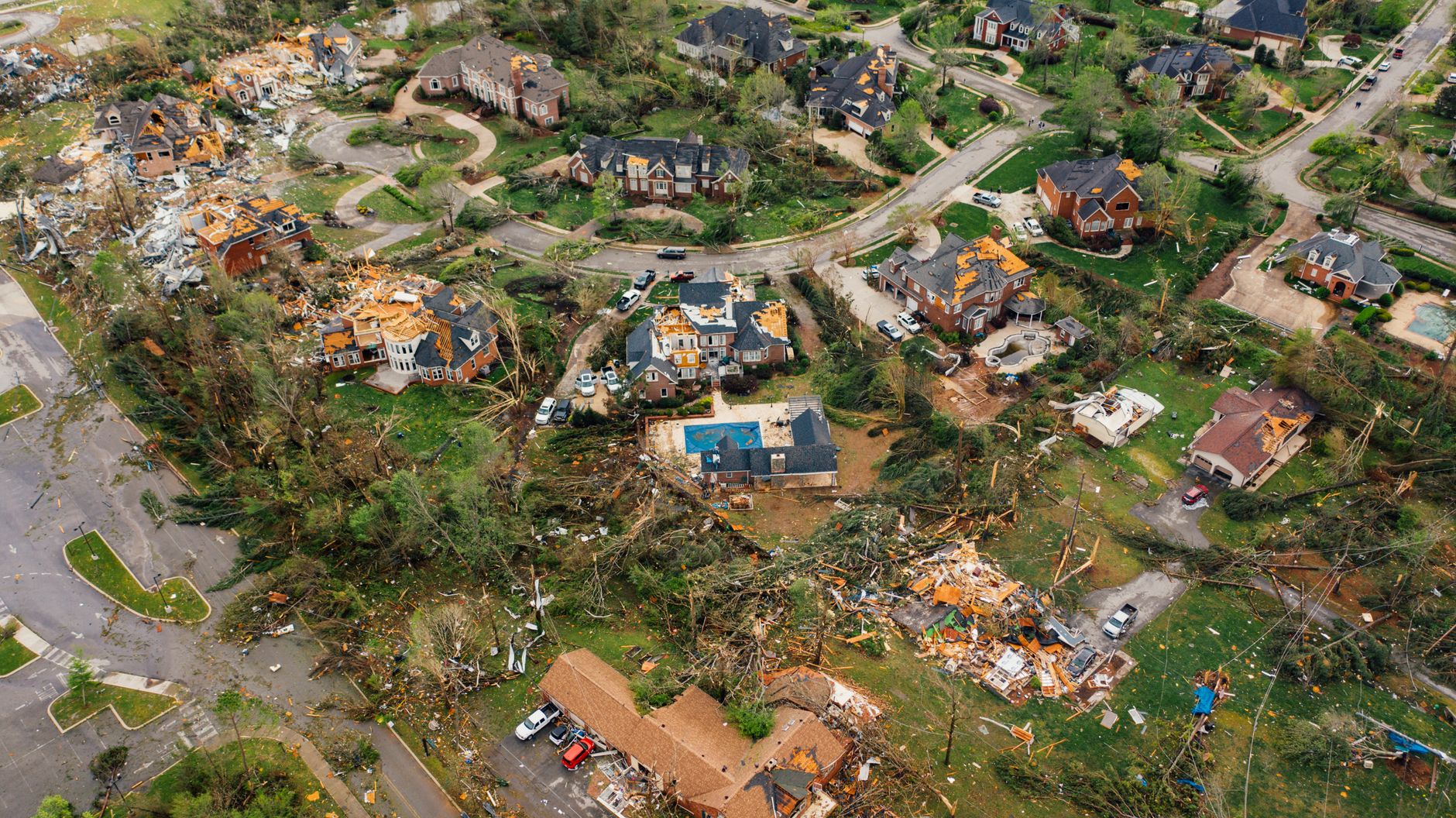
Severe storms bring a predictable second wave: contractors, some legitimate and local, others traveling crews following weather events from region to region looking for quick work. Telling the difference matters, especially when you’re already dealing with the stress of storm damage and possibly an insurance claim.
The Door-to-Door Red Flag
Be cautious of contractors who show up unsolicited, canvassing a storm-affected neighborhood door to door immediately after severe weather. This isn’t how most established local contractors generate business — reputation, referrals, and an existing local presence do that work instead. A knock on the door offering a “free inspection” right after a storm, from someone you’ve never heard of, warrants extra scrutiny before you let them on your roof.
Deductible-Waiving Offers Are a Serious Warning Sign
Any contractor offering to waive or absorb your insurance deductible should be treated as a major red flag. This practice is illegal in Ohio and most states, since it effectively misrepresents the true cost of the work to the insurance company. A contractor willing to misrepresent this part of a transaction raises real questions about how honestly they’ll handle the rest of the job, including material quality and workmanship.
Pressure to Sign Immediately
A reasonable contractor gives you time to review a written estimate before committing. If someone is pushing for an on-the-spot signature right after a quick roof look, especially without a detailed written scope, that pressure itself is worth treating as a warning sign, regardless of how urgent the roof situation feels.
Verifying Local Presence and Track Record
Ask directly how long the company has operated specifically in the Cleveland area, request references from verifiable local jobs, and confirm there’s a permanent business address rather than just a phone number and a truck. A contractor with genuine local roots has accountability that a traveling storm-chasing crew simply doesn’t — if something goes wrong with the work, you need to be able to find them again.
Working With Your Insurance Claim, the Right Way
A legitimate contractor can reasonably offer to meet your adjuster on-site and provide thorough documentation supporting your claim. Be skeptical of anyone promising a specific dollar settlement amount before an adjuster has actually assessed the damage — no contractor can legitimately guarantee what an insurance company will approve.
Taking the Time to Choose Well
Storm damage creates real urgency, but the pressure to decide quickly is exactly what less scrupulous contractors count on. Taking even a day or two to verify a contractor’s local presence, get a written estimate, and confirm they’re not engaging in insurance-related red flags is time well spent before committing to work on one of the largest systems protecting your home.
Frequently Asked Questions
What's the biggest red flag after a storm event specifically?
Should I be suspicious of a contractor offering to waive my deductible?
Is it a problem if a contractor pressures me to sign a contract immediately after inspecting storm damage?
How can I verify a contractor is legitimate and local after a storm?
Does it matter if a contractor is willing to work directly with my insurance adjuster?
Related Services
Related Reading
Ready for a Roof That Lasts Through Cleveland Winters?
Get a free, no-pressure inspection and written estimate from a local crew.