Service
Metal Roofing Installation in Cleveland & Northeast Ohio
A roofing system that sheds snow instead of holding it — and lasts two to three times longer than asphalt.
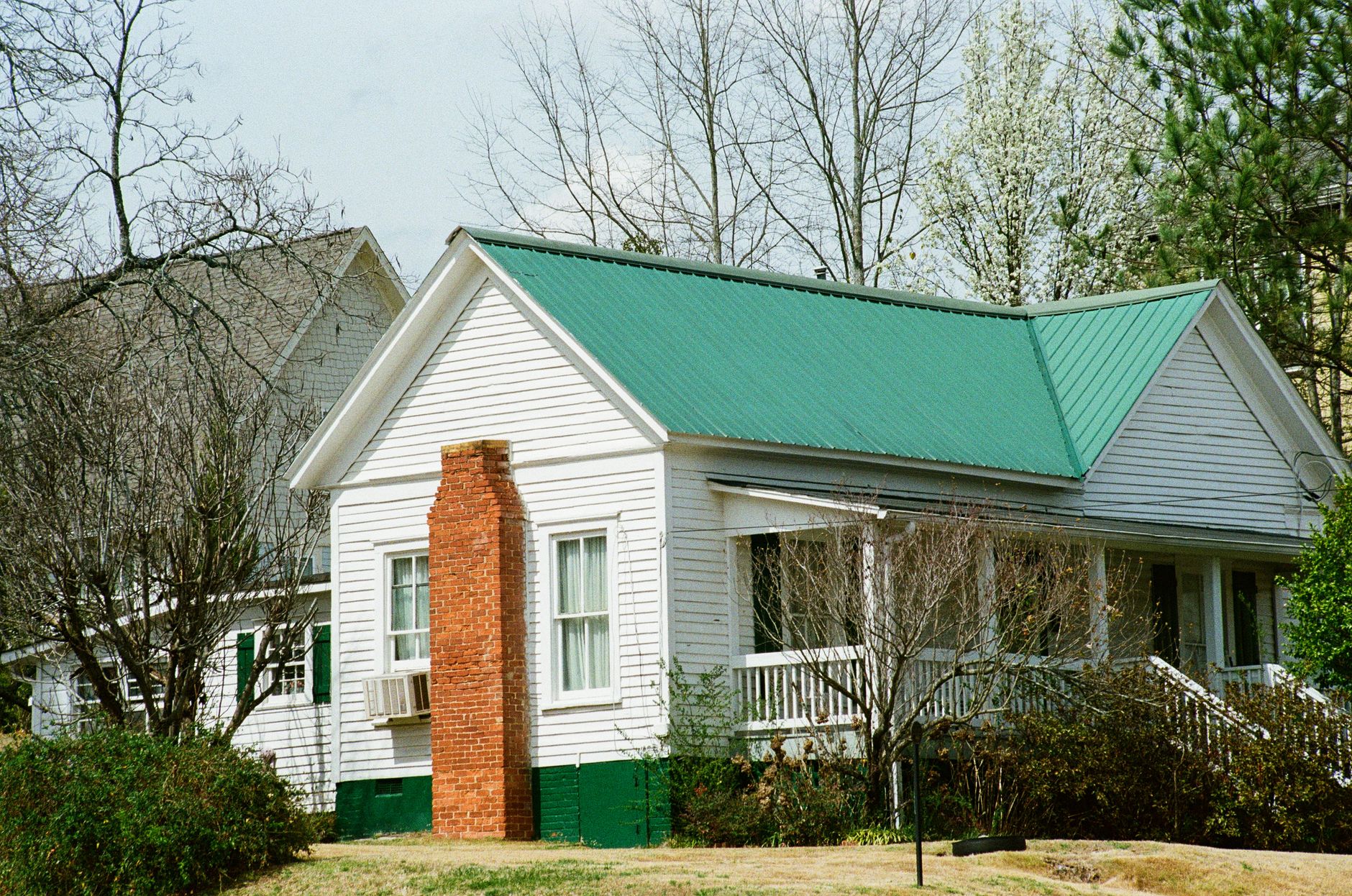
Metal roofing has moved well beyond the agricultural and industrial buildings it’s traditionally associated with. For Cleveland-area homeowners dealing with heavy lake-effect snow, repeat ice-dam issues, or simply looking for a roof that will outlast a couple of asphalt replacement cycles, standing-seam and metal shingle systems are a serious option worth understanding.
Why Metal Performs Differently in Our Climate
Asphalt shingles rely on surface friction to hold snow in place, which is exactly the problem in freeze-thaw conditions — snow melts, refreezes at the cold eave, and backs up as an ice dam. Metal’s smooth, low-friction surface sheds snow and ice far more readily, reducing the load sitting on the roof and the opportunity for ice damming to develop in the first place. Standing-seam panels also use concealed fasteners and interlocking seams, giving them meaningfully better wind uplift resistance than exposed-fastener asphalt shingles — a real advantage in lakefront wind corridors like Lakewood and Bay Village.
Standing-Seam vs. Metal Shingle
Standing-seam is the classic vertical-panel look, installed with hidden fasteners and raised seams that lock out water entirely at the seam line. Stone-coated metal shingle systems mimic the look of traditional shingle, slate, or shake roofing while carrying metal’s durability and snow-shedding performance — a good option for homeowners in historic districts or HOA-governed neighborhoods where a strong traditional aesthetic is expected.
Installation Details That Matter
Metal roofing performs only as well as its installation. Proper solid decking, high-temperature synthetic underlayment, and correctly detailed flashing at penetrations and transitions are what prevent the thermal expansion and contraction metal panels go through across our seasonal temperature swings from ever becoming a leak point. We install to manufacturer specification on every job, not a generalized approach borrowed from asphalt installation.
Cost and Longevity
Metal roofing carries a higher upfront material and installation cost than asphalt shingles, typically running higher for a comparable home, but its 50-plus year service life means the lifetime cost often compares favorably to replacing an asphalt roof two or three times over that same period. We’ll walk through the real cost comparison for your specific home and roof configuration during a free inspection.
Metal Roofing vs. Asphalt Shingles: Side by Side
| Standing-Seam Metal | Architectural Asphalt Shingles | |
|---|---|---|
| Typical service life | 50+ years | 25-30 years |
| Lake-effect snow shedding | Sheds readily off smooth panels | Holds snow, higher ice-dam risk |
| Wind uplift resistance | Concealed fasteners, interlocking seams | Exposed fasteners, lower rating |
| Upfront cost (vs. asphalt) | Higher | Baseline |
| Lifetime cost over 50 years | Often one installation | Typically 2 replacement cycles |
| Best fit | Long-term owners, ice-dam history, lakefront wind exposure | Most homes, shorter ownership horizon, lower upfront budget |
Neither option is universally “better” — the right choice depends on how long you plan to stay in the home and how much your specific roof has struggled with ice damming or wind in the past. We’ll help you weigh it against your actual roof, not a generic recommendation.
Maintenance: Less Frequent, Not Zero
Metal roofing requires meaningfully less routine maintenance than asphalt shingles, but “low-maintenance” isn’t “no-maintenance.” Fastener integrity on exposed-fastener systems, or panel and seam condition on standing-seam, is worth checking periodically, especially after a severe wind event, since even a well-installed system can experience minor panel shift over years of thermal cycling. Finish coatings should be checked for scratches or wear at penetrations and edges, since a compromised coating is where corrosion eventually starts on an otherwise durable material. We recommend folding a metal roof check into the same maintenance visit we’d do on any roof, just with a shorter list of concerns.
Snow-Shed Behavior and What It Means for Gutters and Walkways
Metal’s biggest weather advantage — shedding snow and ice readily instead of holding it — comes with a practical planning consideration. Snow can release from a metal roof in large sheets rather than melting gradually the way it does off asphalt, which means gutters need to be sized and mounted to handle that load, and any walkway, entrance, or parked vehicle below a metal roof edge may need a snow guard system to prevent a sudden, heavy slide. We factor this into the gutter and accessory plan on every metal roof installation rather than treating it as an afterthought once the roof is already up.
Where Metal Roofing Makes the Most Sense
Metal is a particularly strong fit for homes with steep-pitched roofs where snow and ice shedding matters most, homes with a documented history of repeat ice damming despite good ventilation, and homes in the most wind-exposed lakefront locations — Bay Village, Avon Lake, and similar shoreline communities — where wind uplift resistance carries real weight. It’s a less compelling upgrade for a homeowner planning to sell within a few years, since the higher upfront cost has less time to pay off against asphalt’s lower price point. We’ll tell you honestly which category your situation falls into before you commit to the higher spend.
Fastener Systems: Exposed vs. Concealed
Exposed-fastener metal panel systems cost less upfront and are common on outbuildings and some residential applications, but the fasteners themselves are potential leak points over time as washers age and seals compress. Concealed-fastener standing-seam systems cost more but eliminate that specific failure mode entirely, since no fastener penetrates the weather-facing surface of the panel. For most residential installations where long-term performance matters more than minimizing upfront cost, we recommend concealed-fastener systems, particularly in wind-exposed locations where fastener-related failures are more consequential.
What's Included
- Standing-seam and stone-coated metal shingle systems
- Superior snow and ice shedding compared to asphalt in lake-effect conditions
- Wind uplift ratings that outperform standard asphalt shingles
- 50+ year service life with proper installation and finish coating
- Wide color and profile selection, including options that mimic slate or shake
Frequently Asked Questions
Is metal roofing actually worth the higher upfront cost in Cleveland?
Is metal roofing noisy in heavy rain or hail?
Can metal roofing be installed over my existing shingles?
Does metal roofing hold up better against Cleveland's wind?
Does metal roofing need special maintenance compared to asphalt shingles?
Will metal roofing cause more ice buildup at my gutters since it sheds snow so effectively?
Related Services
More on Metal Roofing
Guides and cost breakdowns related to this service.
Ready for a Roof That Lasts Through Cleveland Winters?
Get a free, no-pressure inspection and written estimate from a local crew.