Winter Roofing Tips for Cleveland Homeowners
Published · Related to Roof Maintenance
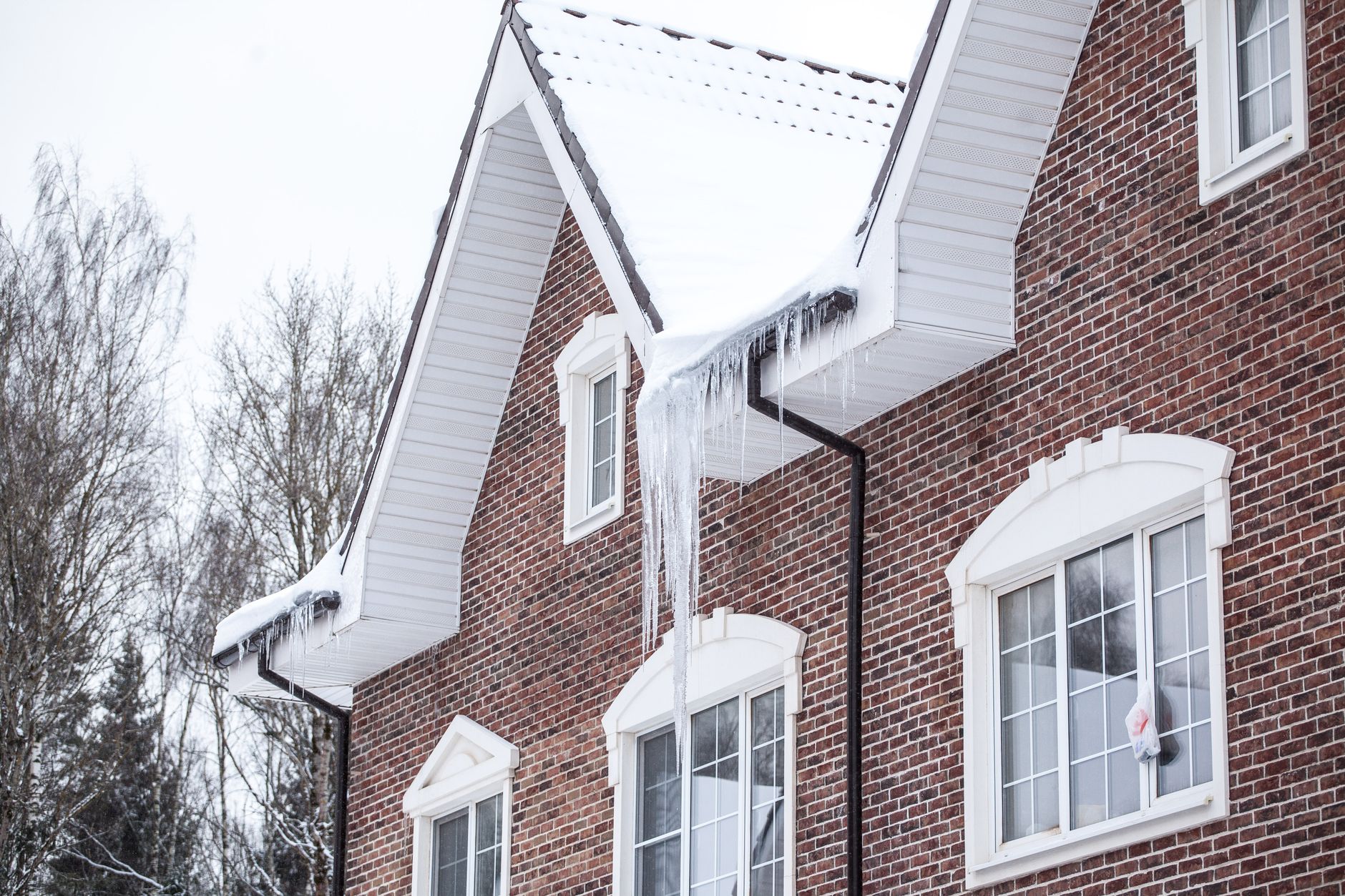
Winter is the season that tests a Cleveland roof hardest — freeze-thaw cycling, lake-effect snow, and the ice damming that results from both. A few practical habits through the season can catch problems early, before they become the kind of damage that shows up as a surprise in spring.
Watch the Eaves for Ice Buildup
Ice dams form specifically at the eave, where warm attic air melts snow higher on the roof and the resulting water refreezes at the colder overhang. A visible ice ridge building up along your gutters or eave line is the clearest early warning sign, and it’s worth having assessed before it progresses to actually backing water up under the shingles.
Check the Attic Periodically
A periodic look in the attic during winter — checking for frost on the underside of the roof deck, damp or compressed insulation, or any new staining — can catch ventilation-related moisture problems while they’re still manageable. Frost forming on cold surfaces is a specific sign of warm interior air reaching the attic, the same mechanism that drives both ice damming and attic mold risk.
Don’t Attempt Snow Removal Yourself
For most roofs, typical Cleveland-area snow loads fall within normal design capacity, and getting onto a snow-covered roof yourself is a real safety hazard — slick surfaces, hidden ice, and the general danger of roof work in winter conditions. If you have specific concerns about unusual accumulation or a known structural issue, a professional assessment is the safer path.
Understand What Icicles Are (and Aren’t) Telling You
Small icicles along a roofline are common and not automatically alarming. Large, thick icicles or a visibly building ice ridge, especially in the same spot every year, suggest an ice dam pattern worth addressing at its root cause — usually ventilation or insulation — rather than just chipping away the ice each winter.
Keep Gutters Clear Into Early Winter
Leaves and debris left in gutters going into winter contribute to ice buildup right at the eave, compounding ice-dam risk. A late-fall gutter clearing, ideally after most leaves have dropped but before the first hard freeze, is one of the most cost-effective preventive steps available.
Don’t Ignore Intermittent Signs
Ice dam leaks are often intermittent — active during a thaw, dry in between — which makes them easy to dismiss as a one-time fluke rather than an ongoing problem. If you notice even an occasional drip or stain during a winter thaw, that’s worth documenting and having checked, rather than waiting to see if it happens again.
Plan for a Spring Follow-Up
Even with careful winter monitoring, the real assessment of what the season did to your roof often happens in spring, once freeze-thaw cycling has ended. A spring inspection catches loosened shingles, ice-related gutter damage, or ventilation issues that became apparent over the winter, closing the loop on the season’s wear before it compounds into next winter.
Frequently Asked Questions
Should I remove snow from my roof in the winter?
What's the most important winter roofing habit for Cleveland homeowners?
Is it normal to see icicles hanging from my roofline in winter?
Can winter weather cause roof damage I won't notice until spring?
Should I check my attic more often in the winter?
Related Services
Related Reading
Ready for a Roof That Lasts Through Cleveland Winters?
Get a free, no-pressure inspection and written estimate from a local crew.