Flat Roofing Systems Explained: TPO, EPDM, and Modified Bitumen
Published · Related to Flat Roofing
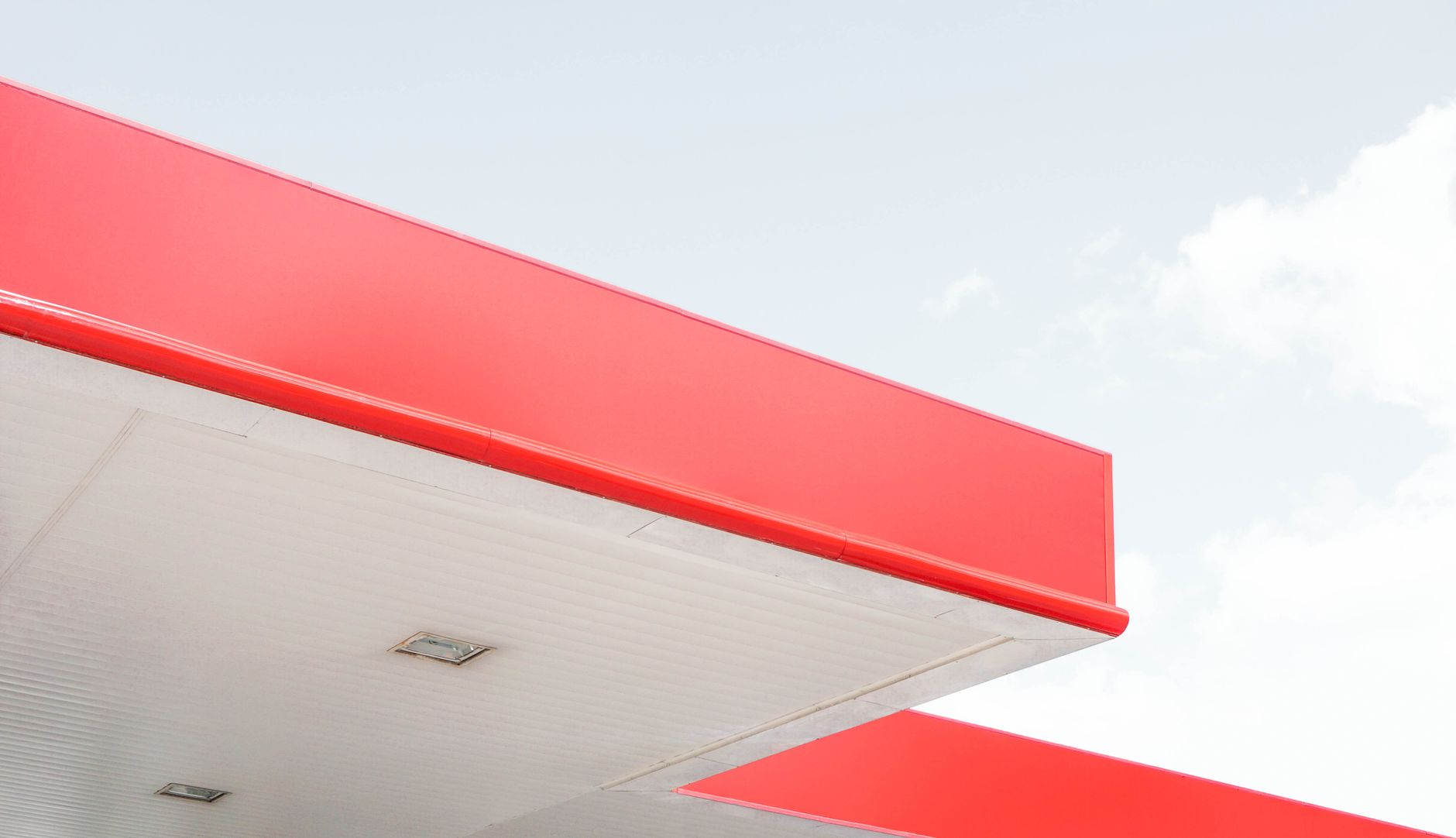
Flat and low-slope roofs need an entirely different material approach than pitched shingle or metal roofs — a continuous, waterproof membrane rather than overlapping shingles that rely on gravity and slope to shed water. Three systems dominate the market, and understanding their real differences helps make sense of a flat roof quote.
TPO (Thermoplastic Polyolefin)
TPO is a single-ply membrane, typically installed in large sheets with heat-welded seams that create a continuous, strong bond rather than relying on adhesives alone. Its reflective surface, usually white or light gray, helps reduce heat absorption, which matters for cooling costs on larger commercial roofs. TPO has become one of the most commonly installed systems on new commercial construction, and it performs well against our freeze-thaw cycling when properly installed.
EPDM (Rubber Roofing)
EPDM is a synthetic rubber membrane with one of the longest track records in flat roofing, often installed in large sheets with either adhered or mechanically fastened methods. Its flexibility across a wide temperature range is a genuine strength in a climate like ours, where a flat roof surface goes through significant thermal swings between summer heat and winter cold. Seams are typically bonded with specialized tape or adhesive rather than heat-welded.
Modified Bitumen
Modified bitumen is a layered system, often installed either torch-down (using controlled heat to bond layers) or self-adhered. It handles foot traffic well, making it a reasonable choice for roofs that see regular maintenance access or other activity. Torch-down installation requires specific fire-safety protocols given the open flame involved; self-adhered installation avoids that consideration while still delivering strong performance.
Why Drainage Matters More Than the Membrane Choice
Regardless of which system is installed, standing water is the single biggest threat to a flat roof’s lifespan in our freeze-thaw climate. Ponding water repeatedly freezing and thawing stresses a membrane far more than a well-drained surface, which is why we assess and often correct slope and drainage design as part of any flat roofing project, rather than treating membrane selection as the whole conversation.
Choosing Between the Three
For most residential additions and smaller commercial roofs, any of the three systems can perform well when correctly installed and properly drained. Budget, expected foot traffic, and specific building requirements (like fire code considerations for adjacent structures) typically drive the final choice more than a categorical climate preference. We’ll walk through the tradeoffs specific to your roof during an assessment rather than defaulting to one system across every job.
Frequently Asked Questions
Which flat roofing system is the best overall choice for Cleveland's climate?
How long does each system typically last?
Is EPDM the same thing as a rubber roof?
Why does TPO get installed so often on commercial buildings specifically?
Does modified bitumen need special installation compared to the other two?
Related Services
Related Reading
Ready for a Roof That Lasts Through Cleveland Winters?
Get a free, no-pressure inspection and written estimate from a local crew.